 Uncategorized
Choosing the Right Food for a Cat at Every…
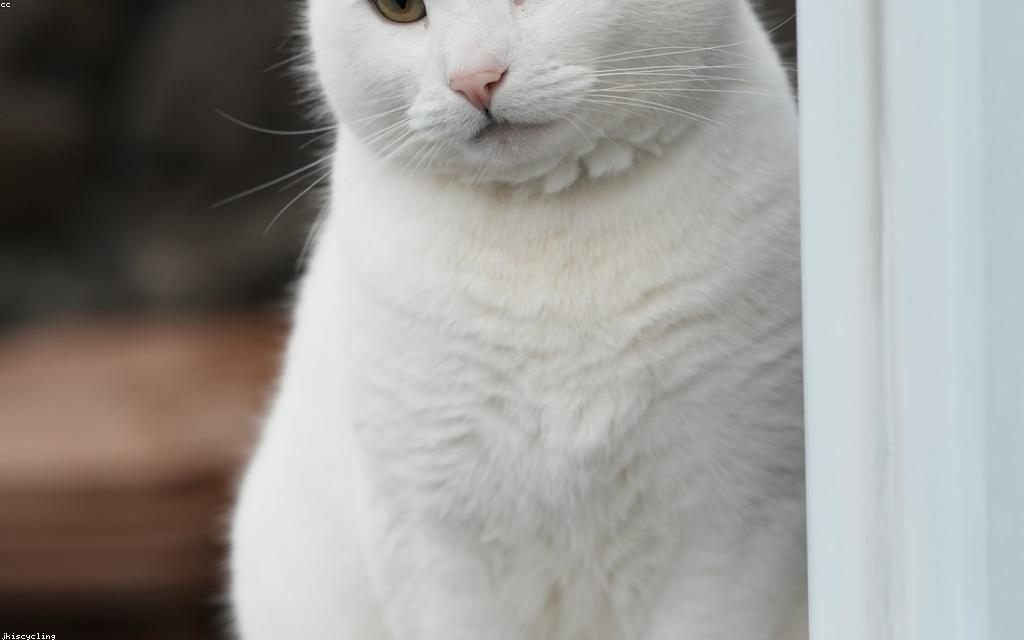
Cats are obligate carnivores, which means their bodies are built to run on animal protein in a way that no other common household pet requires. This single biological fact shapes almost every decision you make about feeding a cat, and it explains why diets that work fine for dogs or humans can quietly harm a cat over time. Choosing the right food is less about chasing trendy labels and more about understanding what a cat’s metabolism actually needs at each phase of its life.
Why Protein and Moisture Come First
Unlike omnivores, cats cannot efficiently convert plant material into the nutrients they need. They require certain amino acids, most famously taurine, that are found almost exclusively in animal tissue. A taurine-deficient diet can lead to heart disease and blindness, which is why reputable commercial cat foods are formulated to guarantee adequate levels. When you read a label, animal-based protein should appear near the top of the ingredient list, and the food should state that it meets an established nutritional standard for the relevant life stage.
Moisture is the second pillar. Cats evolved from desert-dwelling ancestors and have a famously weak thirst drive, historically getting most of their water from prey. Cats fed exclusively on dry kibble often live in a state of mild chronic dehydration, which places stress on the kidneys and urinary tract. Incorporating wet food, whether canned or in pouches, is one of the simplest ways to support long-term urinary and kidney health.
Kittens: Building a Body
Kittens grow at an astonishing rate and need a diet rich in calories, protein, and fat to fuel that growth. Food formulated specifically for kittens, or labeled for “all life stages,” provides the higher nutrient density they require. During this period, frequent small meals suit their small stomachs and high energy demands better than one or two large feedings.
- Feed a complete kitten-formula diet until roughly twelve months of age, or longer for large breeds.
- Introduce both wet and dry textures early so the cat does not become rigidly fixated on one form.
- Avoid cow’s milk, which most cats cannot digest and which commonly causes diarrhea.
Early exposure to varied textures and flavors pays off later. Cats that only ever eat one food can become extremely difficult to transition when a medical condition eventually demands a diet change.
Adult Maintenance: Avoiding the Slow Creep
The most common nutritional problem in adult cats is not deficiency, it is excess. Indoor cats, in particular, burn far fewer calories than their ancestors and are prone to gradual weight gain that owners often fail to notice until it becomes significant. Even a few extra ounces on a small animal represents a large percentage of body weight, and feline obesity is strongly linked to diabetes, joint disease, and a shorter lifespan.
Portion control matters more than the specific brand for most healthy adults. Measure meals rather than free-feeding from a constantly full bowl, and adjust portions based on the cat’s body condition rather than the generic guidance on the package, which is often generous. You should be able to feel the ribs easily under a thin layer of fat and see a slight waist when looking down from above.
Senior Cats and Special Conditions
As cats age, their needs shift again, and the changes are not always intuitive. Some older cats lose the ability to digest and absorb nutrients efficiently and actually need more protein, not less, to maintain muscle mass. Others develop chronic conditions such as kidney disease that call for carefully controlled levels of phosphorus and protein under veterinary guidance.
This is the stage where a one-size-fits-all approach breaks down completely. Many age-related diseases in cats are managed substantially through diet, and the right therapeutic food can add quality years to a cat’s life. Regular bloodwork from around seven years of age onward helps catch these conditions early, while diet still has the most leverage.
Reading Labels Without Getting Fooled
Marketing on pet food is aggressive and often misleading. Words like “premium,” “natural,” and “gourmet” have no strict regulatory meaning. Grain-free diets became fashionable, yet grains are not inherently harmful to cats and certain grain-free formulations have been investigated in connection with heart problems in dogs. Rather than following slogans, focus on a few concrete things.
- A clear statement that the food is complete and balanced for the cat’s life stage.
- Named animal protein sources rather than vague “meat by-products” alone.
- Appropriate guaranteed analysis values for protein, fat, and moisture.
When in doubt, your veterinarian is a better guide than online forums, because they can factor in your individual cat’s weight, age, and medical history. Choosing the right food is not about finding one perfect product forever. It is about matching the diet to the cat in front of you and adjusting as that cat moves through the natural stages of a long life.