Uncategorized
Stop Dog Resource Guarding: Food & Toy Fixes
If your dog stiffens, freezes, or growls when you approach their food bowl, a chew, or a stolen sock, you are dealing with resource guarding. The good news: it is a normal, treatable behavior, not a sign your dog is “dominant” or broken. This guide explains what actually drives guarding, how to lower the tension safely, and the specific mistakes that make it worse. You will finish with a step-by-step plan you can start today.
What resource guarding really is
Resource guarding is a dog protecting something valuable from a perceived threat. In the wild, an animal that let others take its food did not thrive. So the behavior is deeply wired in. Your dog is not being spiteful. They are anxious that a valued item is about to disappear.
The key insight: guarding is driven by fear of loss, not by a desire to control you. That single reframe changes your whole strategy. You are not going to “win” by taking things away. You are going to teach your dog that people approaching valuable items predicts good things, not loss.
Reading the warning ladder
Dogs rarely bite without warning. They escalate: stillness, a hard stare, eating faster, lowered head over the item, lip lift, growl, snap, then bite. Growling is communication, not defiance. If you punish the growl, you remove the warning and get a dog that bites with no signal. Respect the growl and back off.
Why it starts
Common triggers include a history of scarcity (many rescue and shelter dogs), competition with other pets, being repeatedly startled at the bowl, or well-meaning owners who reach in and take food to “show who is boss.” That last one directly teaches the dog that hands near food mean the food goes away. Genetics and breed tendencies also play a role, but environment usually decides how far it goes.
The core method: trade up and add value
Two principles fix most cases.
1. Change the emotion, do not force compliance
Work below the level that triggers guarding. If your dog reacts when you are three feet from the bowl, start at six feet. Walk past, toss a high-value treat toward the bowl, and keep moving. Your dog learns your approach adds food. Over days, shrink the distance only as the dog stays relaxed.
2. Always trade up, never just take
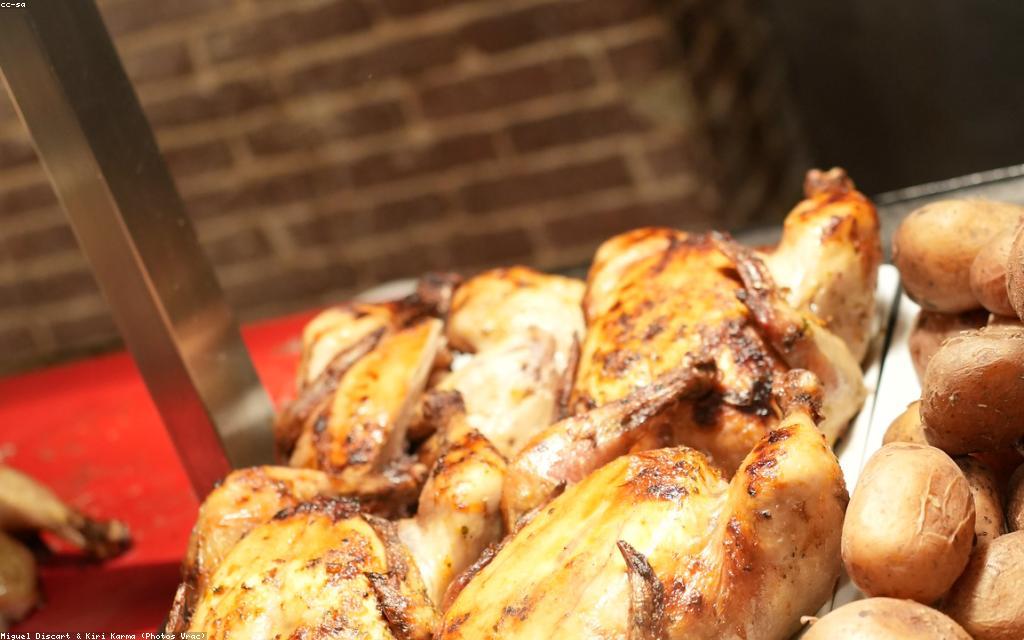
When your dog has a forbidden item, do not chase or grab. Offer something clearly better, like a piece of chicken. When they drop the item for the trade, calmly pick it up and often give the original back too. This teaches that giving things up is profitable and reversible.
A real scenario
A client’s two-year-old Labrador growled whenever anyone walked near his bowl. The owners had been reaching in to “remind him who is in charge,” which had escalated to snapping. We reversed it. For two weeks, no one touched the bowl during meals. Instead, each family member walked by and dropped a piece of cheese in from a step away, then left. By week three, the dog looked up hopefully when people approached. The growling stopped because the meaning of an approaching person had flipped from threat to bonus.
Common mistakes and how to fix them
- Punishing the growl. This suppresses warnings and raises bite risk. Fix: let the growl inform you, increase distance, and rebuild trust.
- Taking food to “test” the dog. This confirms the dog’s fear. Fix: add value on approach instead of removing it.
- Moving too fast. Pushing close before the dog is calm triggers a setback. Fix: progress only when the dog stays loose and relaxed at the current distance.
- Free-for-all high-value chews around other pets. Fix: feed and give chews in separate rooms or crates until the behavior is stable.
- Inconsistency between family members. One person grabbing items undoes weeks of work. Fix: everyone follows the same trade-up rule.
Your action checklist
- Identify your dog’s trigger distance and the exact items guarded.
- Stop all confrontational bowl handling and item grabbing immediately.
- Feed in a calm, low-traffic spot; separate multi-pet households.
- Practice the toss-and-pass drill at meals, shrinking distance slowly.
- Teach a cheerful “drop” using trade-ups, several short reps daily.
- Keep sessions short and end while the dog is still relaxed.
- Manage the environment: put away high-value items you cannot supervise.
When to get professional help
If your dog has bitten, guards from children, or the behavior is worsening despite consistent work, involve a qualified professional. Look for a certified veterinary behaviorist or a credentialed force-free trainer. A vet visit also matters, since pain can trigger sudden guarding.
Next step: pick one guarded item and one drill, and start the toss-and-pass routine at your dog’s next meal. Track progress for two weeks before increasing difficulty.
FAQ
Is resource guarding a sign of a dominant dog?
No. Current behavior science treats it as anxiety over losing something valuable, not a bid for status. Approaching it as fear, not dominance, gets far better results.
Should I punish my dog for growling over food?
No. Growling is a warning that prevents bites. Punishing it can create a dog that bites without warning. Respond by adding distance and rebuilding trust.
Can I fix resource guarding on my own?
Mild cases often improve with consistent trade-up and counter-conditioning work. If there is any bite history or guarding near children, work with a qualified professional.
How long does it take to see change?
Many dogs show real improvement within a few weeks of daily, low-pressure practice, but severe or long-standing cases take longer. Progress depends on consistency and starting below the trigger threshold.
Does hand-feeding help?
It can, because it pairs your hands with the arrival of food rather than its removal. Introduce it only if your dog is comfortable and never force proximity.
References
- American Veterinary Society of Animal Behavior (AVSAB) position statements on humane, reward-based training.
- Jean Donaldson, Mine! A Practical Guide to Resource Guarding in Dogs.